Photo Books · Digital PDF
As told by Gaston, of Notre-Dame
Paris, as seen by a stone chimera with excellent taste and no humility.
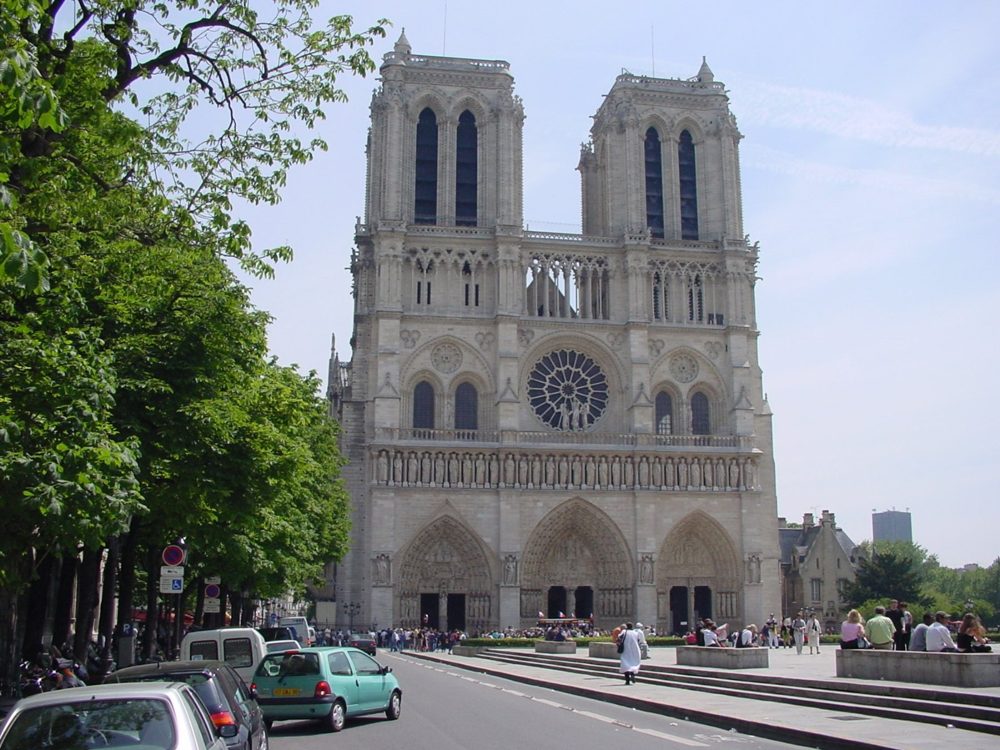
Gaston lives high on the gallery of Notre-Dame, between the two great towers. He is not a gargoyle. Gargoyles spit. Gaston is a chimera, carved purely to watch, to brood and to look magnificent, and he has been doing all three since the 1800s.
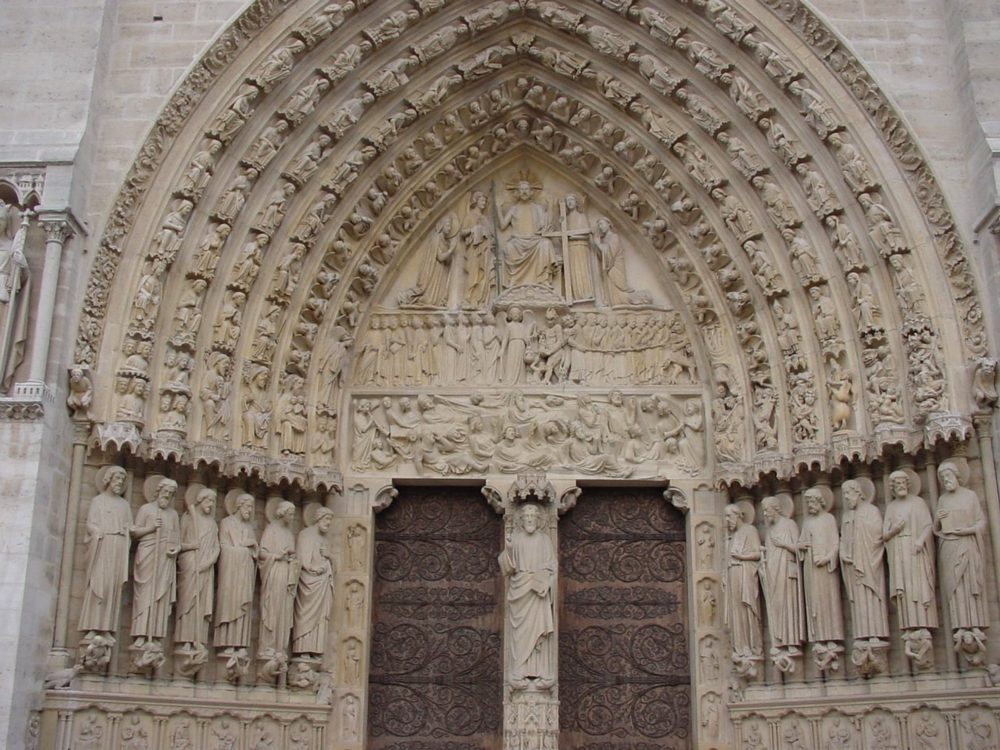
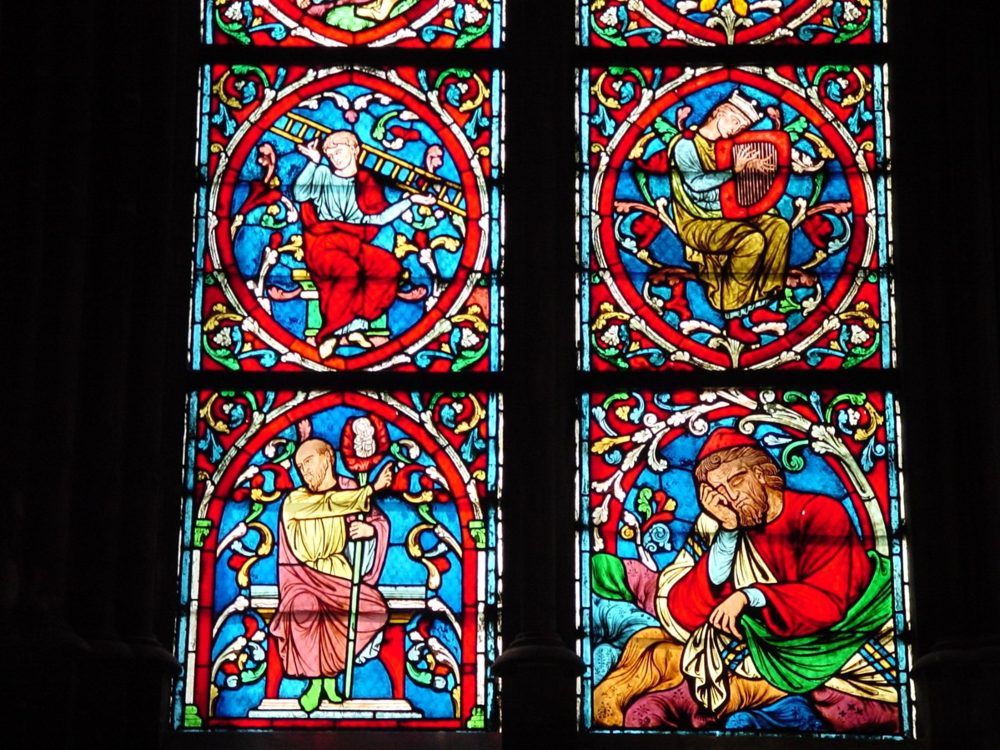
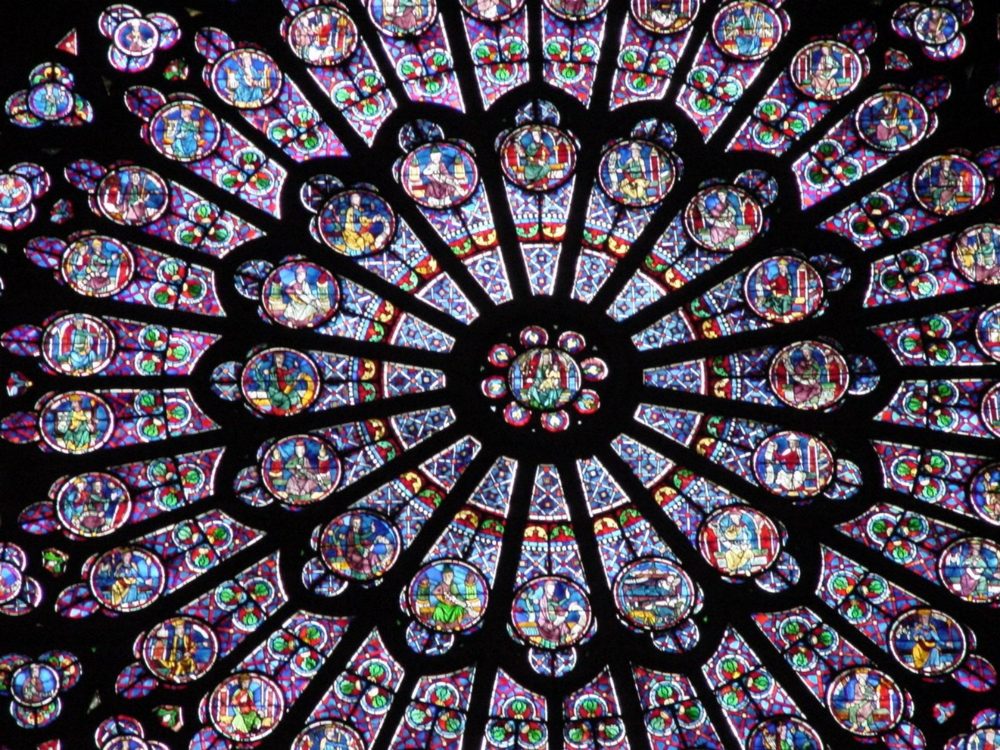
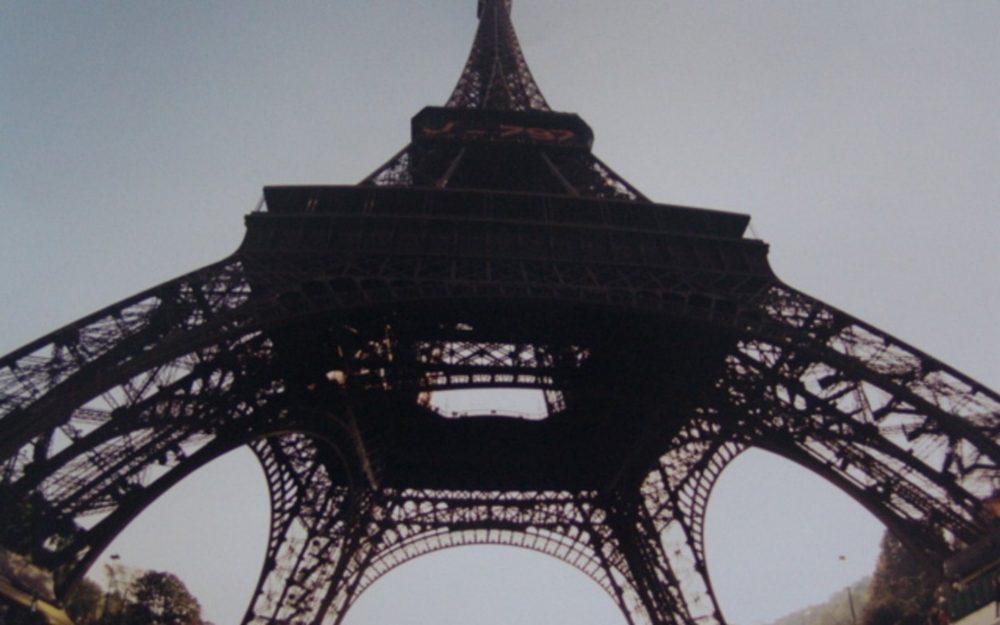
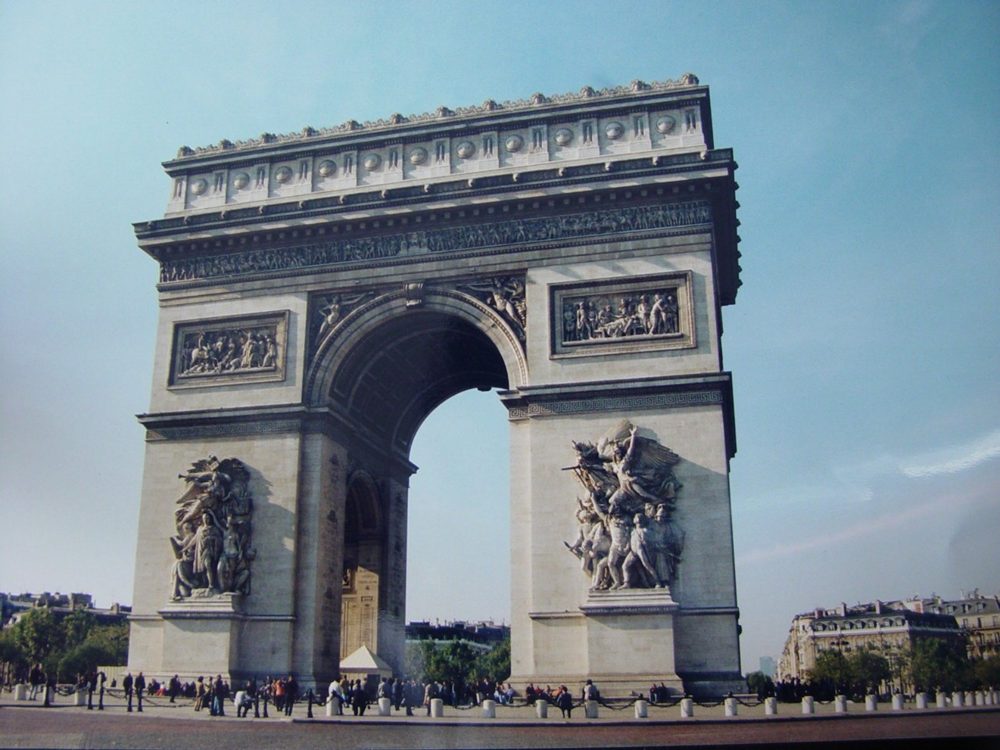
He is also, he will remind you, a cover star. Now he takes you on a tour of his city: the saints who gossip at the cathedral door, the rose window that survived, the Eiffel Tower (the new girl), the Arc de Triomphe, Sacré-Cœur and, at last, the Louvre, where something happened in 2015 that he is still very proud of.
Twelve photographs of Paris by Robert Goldston, Sr., including the very picture of Gaston that appeared on the back cover of one of his books.
Every photograph in this book is real, taken by Robert Goldston, Sr. on his travels. The stories are fiction, written as a gift to the photographs; the italic line under each story title tells you what the photograph actually shows.


Prologue
Allow me to introduce myself. My name is Gaston. I am made of stone, I have horns, and I live high on the gallery of Notre-Dame de Paris, between the two great towers, where I have been looking down on the city since the 1800s.
People call me a gargoyle. I am not a gargoyle. A gargoyle is a waterspout. Its job is to carry rain off the roof and spit it into the street. I do not spit. I am a chimera, a carved creature put up purely to watch, to brood and to look magnificent. The architect Viollet-le- Duc added my brothers and me during the great restoration of the cathedral in the nineteenth century, and I like to think he saved the best for last.
I should also mention, though I hate to boast, that I am a cover star. A photograph of me gazing over the rooftops toward the Eiffel Tower appeared on the back cover of a book by the photographer Robert Goldston, Sr. The other chimeras have asked me not to bring this up. I bring it up daily.
From up here I can see a great deal of Paris, and what I cannot see, the pigeons tell me. Let me show you around. We will start at home, and we will finish at the Louvre, where something happened in 2015 that I am still very proud of, even though, strictly speaking, I was not invited.
Three spreads from the book: the photograph on one page, its story on the other.
No. 3No. 3
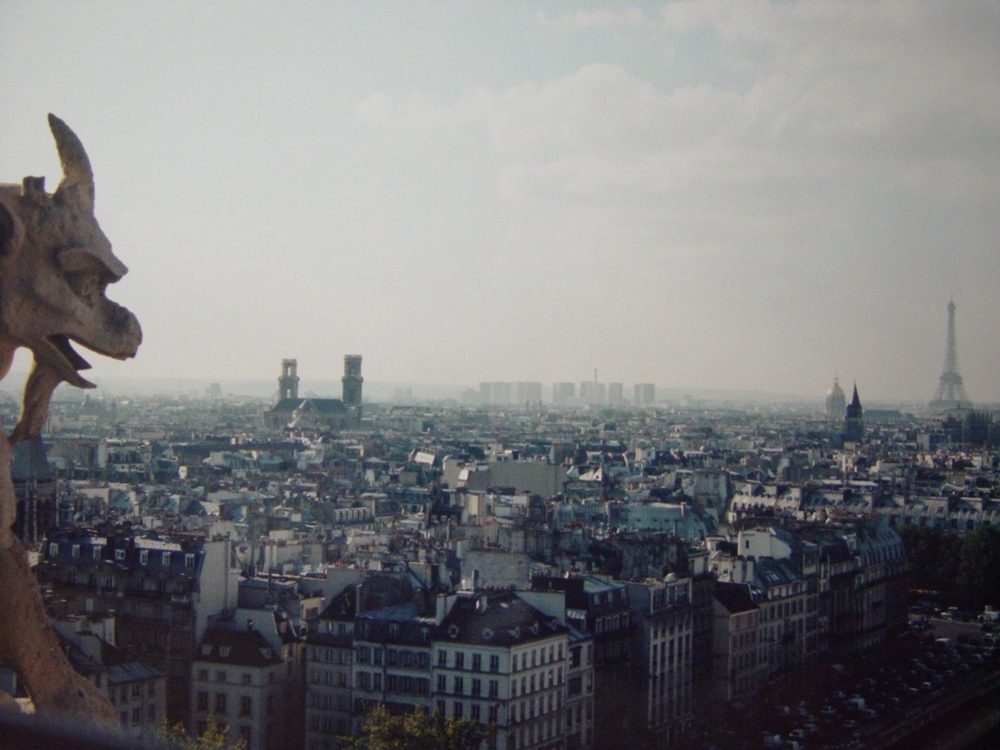
A carved chimera on the gallery of Notre-Dame, looking across the Paris rooftops toward the Eiffel Tower.
And here I am. That is me on the left. Horns up, mouth open, gazing across the rooftops as if I own them, which I do, in every way except legally.
In front of me lies the Left Bank, a sea of grey roofs, chimney pots and little attic windows stretching away into the haze. Many Paris roofs are covered in zinc, which weathers to that soft grey. On the far right, rising out of the rooftops like a needle left in a pincushion, stands the Eiffel Tower.
This is the photograph. The famous one. This same view of me appeared on the back cover of an earlier book by Robert Goldston, Sr., and I have not been the same since.
… the story continues in the book.
No. 7No. 7
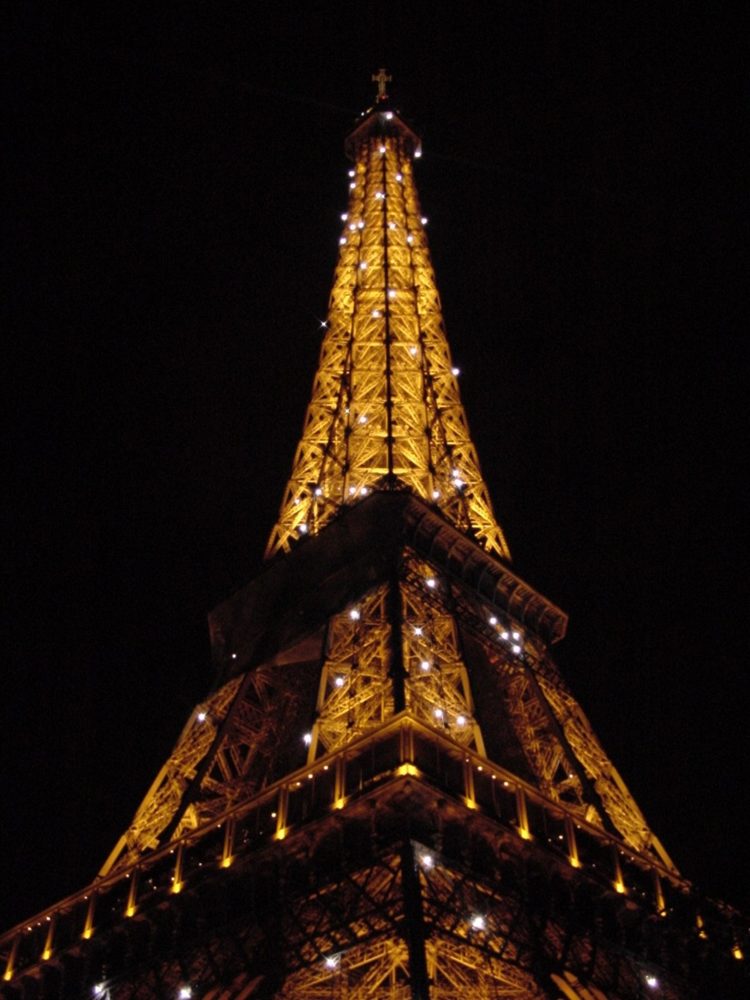
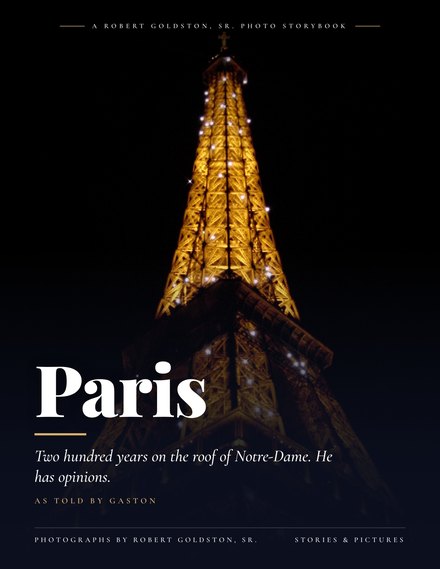
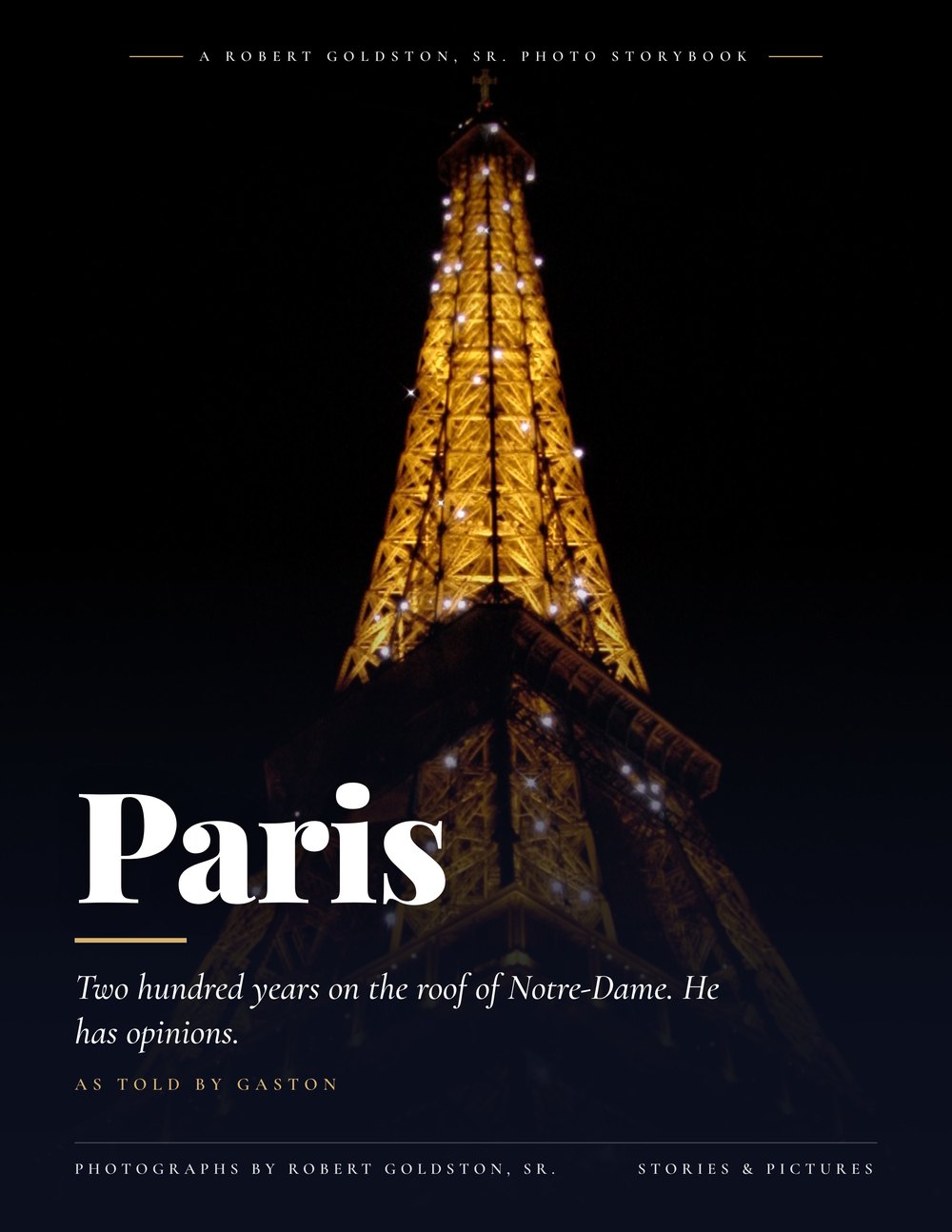
The Eiffel Tower lit up in gold at night.
At night the new girl puts on her gold.
Since 1985 she has been lit from within by golden lamps, so that every beam glows like the inside of a lantern. And every hour on the hour after dark, she sparkles. Thousands of little white lights flicker all over her for five minutes, and half the city stops to look. The sparkle began with the celebrations for the year 2000. It was meant to be temporary. Everything about her was meant to be temporary.
Every hour, the other chimeras watch me watching her. “I'm not watching,” I say. “I'm monitoring the skyline. It's my job.”
“You turned toward her,” says my neighbor. “I am made of stone. I cannot turn.” “You leaned.”
… the story continues in the book.
No. 12No. 12
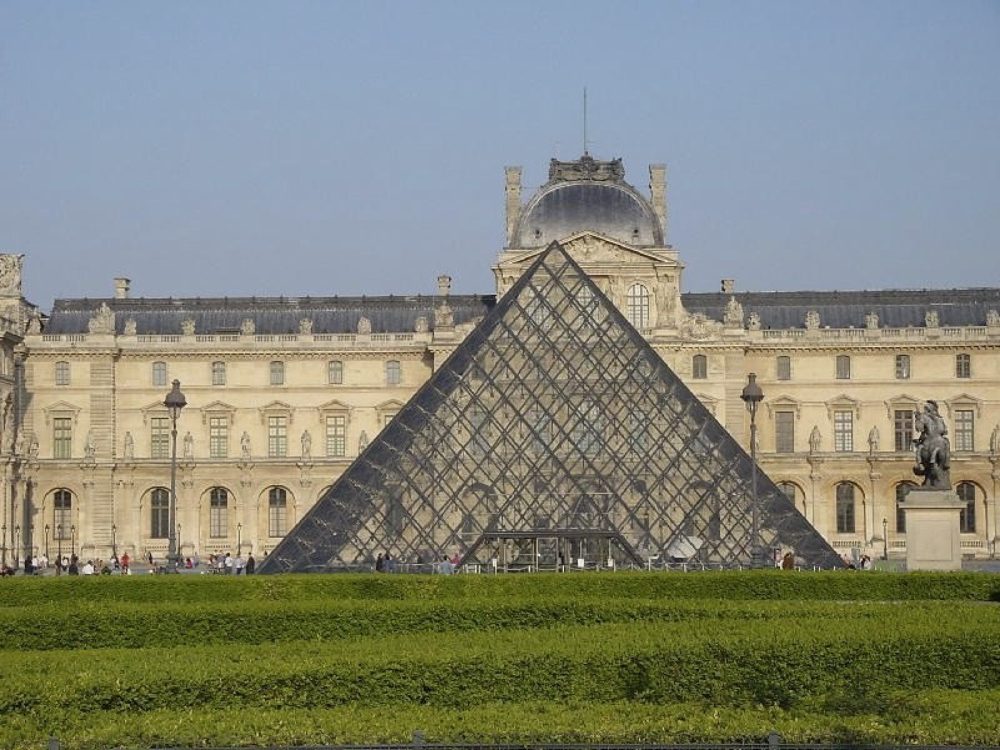
The Louvre palace in Paris, with its glass pyramid in front.
And so we come to the Louvre, the end of our tour and, I am happy to say, the scene of my greatest triumph.
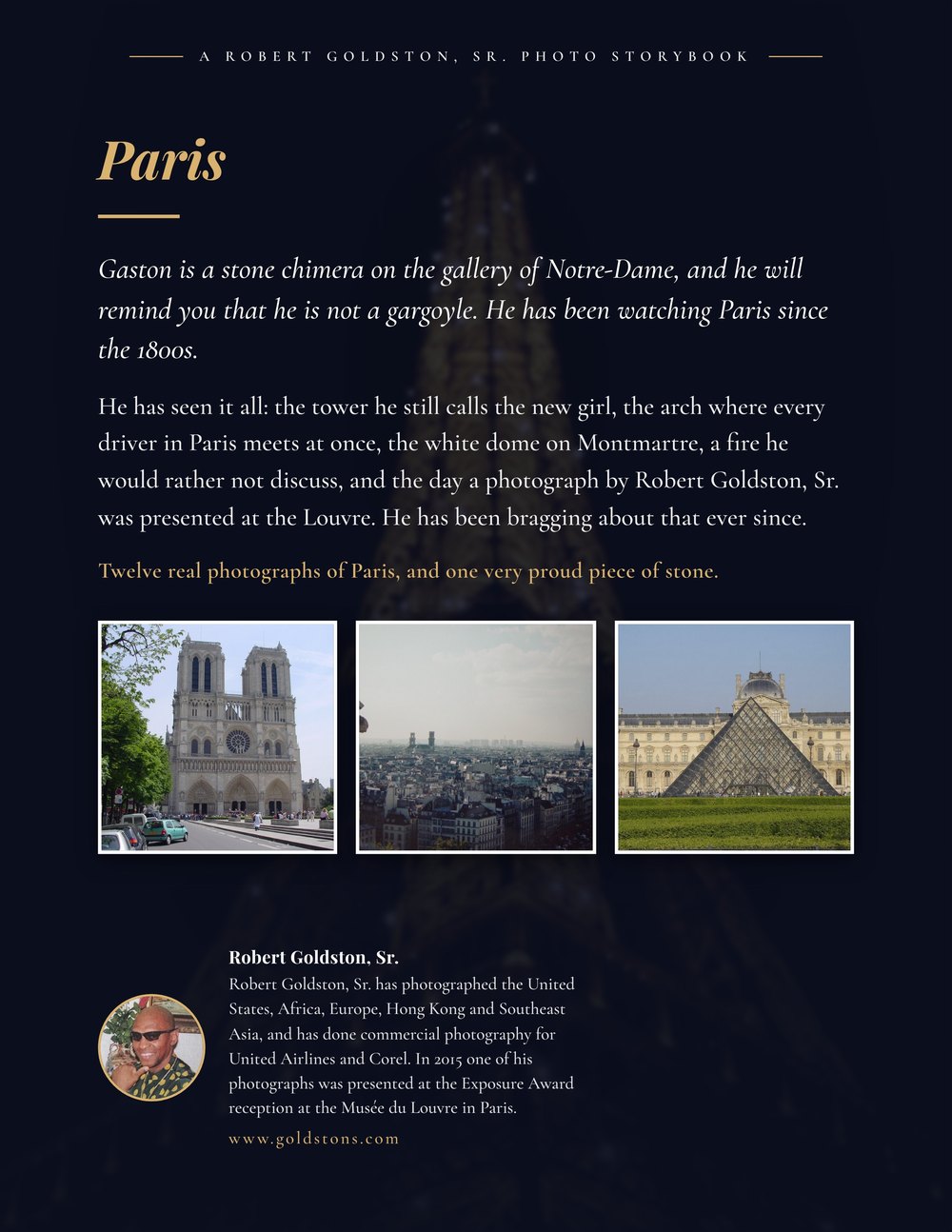
The Louvre began as a fortress and became a palace of the kings of France. Since 1793 it has been a museum, and today it is the most visited museum in the world. In front stands the glass pyramid designed by the architect I. M. Pei, which opened in 1989. Paris argued about the pyramid when it was new. Paris argued about the new girl too. Paris argues about everything new, and then falls in love with it.
Now, the triumph. On July 13, 2015, the Fifth Annual Exposure Award reception was held at the Musée du Louvre, and a photograph by Robert Goldston, Sr., from his Animals Collection, was presented there.
… the story continues in the book.
30 pages, 12 photographs, one storyteller. Digital PDF for $2.95.
Choose one book or the whole series.
Check out securely with PayPal or a card.
Download links appear the moment PayPal confirms your payment, with a personal download page you can bookmark.
As told by the Needle
A brass needle that never points north, and the great machines it leads to.